
Forex trading, also known as foreign exchange trading, is the process of buying and selling currencies in order to profit from fluctuations in exchange rates. The forex market is the largest and most liquid financial market in the world, with a daily trading volume exceeding $6 trillion. If you’re interested in diving into this dynamic market, you’re in the right place. In this article, we will explain the essential concepts and strategies of forex trading. For more detailed resources, you can visit forex trading explained FX Trading UZ.
What is Forex Trading?
Forex trading involves the exchange of one currency for another. Currency pairs, such as EUR/USD (Euro/US Dollar) and USD/JPY (US Dollar/Japanese Yen), are traded in the forex market. The price of a currency pair reflects the value of one currency in relation to another. Traders aim to profit by speculating on whether a currency pair’s value will rise or fall.
The Basics of Currency Pairs
In forex trading, currencies are traded in pairs. Each pair consists of a base currency and a quote currency. The base currency is the first currency listed (e.g., EUR in EUR/USD), while the quote currency is the second one (USD in EUR/USD). The exchange rate indicates how much of the quote currency is needed to purchase one unit of the base currency.
Major, Minor, and Exotic Pairs
Currency pairs can be categorized into three main groups:
- Major Pairs: These are the most traded pairs and typically include the USD. Examples include EUR/USD, USD/JPY, and GBP/USD.
- Minor Pairs: These pairs do not involve the USD but are still highly liquid, such as EUR/GBP and AUD/NZD.
- Exotic Pairs: These consist of one major currency and a currency from a developing economy, like USD/TRY (Turkish Lira) or EUR/ZAR (South African Rand).
How to Get Started with Forex Trading
If you’re new to forex trading, consider following these steps to get started:
- Educate Yourself: Learn about the forex market, trading strategies, and risk management techniques.
- Choose a Reliable Broker: Select a trustworthy forex broker that suits your trading style and provides a user-friendly platform.
- Create a Trading Account: Open a demo account for practice before risking real money or open a live account when you are ready.
- Develop a Trading Plan: Establish clear trading goals and a strategy that incorporates risk management.
- Practice Trading: Use a demo account to practice your trading skills and strategies without financial risk.
Understanding Forex Quotes
Forex quotes can be confusing at first, but they are essential for understanding the market. A forex quote consists of two prices:
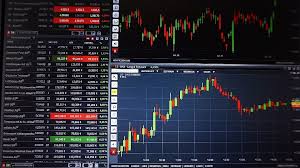
- Bid Price: The price at which the market will buy a specific currency pair from you. This is the lower price of the two.
- Ask Price: The price at which the market will sell a specific currency pair to you. This is the higher price.
The difference between the two prices is known as the spread, and it represents the broker’s profit from executing trades.
Types of Forex Analysis
To make informed trading decisions, traders use various types of analysis:
Fundamental Analysis
This type of analysis evaluates economic indicators, news events, and geopolitical factors that can influence currency values. Traders look at interest rates, inflation rates, and GDP growth, among other indicators.
Technical Analysis
Technical analysis involves analyzing historical price data and using charting tools to identify patterns and trends. Traders rely on indicators like moving averages, RSI (Relative Strength Index), and MACD (Moving Average Convergence Divergence) to make decisions.
Sentiment Analysis
Sentiment analysis focuses on the overall mood of the market and the psychology behind price movements. Traders use indicators like the COT (Commitment of Traders) report to gauge market sentiment.
Risk Management in Forex Trading
Effective risk management is crucial in forex trading to protect your capital. Consider the following risk management techniques:
- Set Stop-Loss Orders: A stop-loss order automatically closes a trade at a specified price to limit losses.
- Use Take-Profit Levels: Set take-profit orders to lock in gains when your target price is reached.
- Manage Position Sizes: Avoid risking too much on a single trade by calculating your position size based on your risk tolerance.
Trading Strategies in Forex

There are several strategies traders can use, including:
Day Trading
Day trading involves entering and exiting trades within the same day, aiming to profit from short-term price movements.
Scalping
Scalping is a high-frequency trading strategy that seeks to make small profits from multiple trades throughout the day.
Swing Trading
Swing trading aims to capture price swings over several days to weeks. Traders hold positions longer to benefit from larger market movements.
The Importance of Choosing a Broker
Choosing a reputable broker is essential for successful forex trading. Look for factors such as regulation, trading fees, available tools, and customer support. Ensure that the broker offers a platform that accommodates your trading needs—whether you prefer a user-friendly interface or advanced trading tools.
Common Mistakes to Avoid in Forex Trading
Even seasoned traders can fall prey to mistakes. Here are some common pitfalls to avoid:
- Lack of a Trading Plan: Trading without a plan can lead to emotional decision-making and potential losses.
- Overleveraging: Using too much leverage can amplify profits, but it can also magnify losses.
- Ignoring Risk Management: Failing to set stop-loss orders can lead to significant losses if the market moves against you.
Conclusion
Forex trading can be a rewarding venture when approached with the right knowledge and strategy. By understanding the basics of the market, developing a solid trading plan, and practicing effective risk management, you can increase your chances of success. Happy trading!